GARDEN BIRDS
A national count
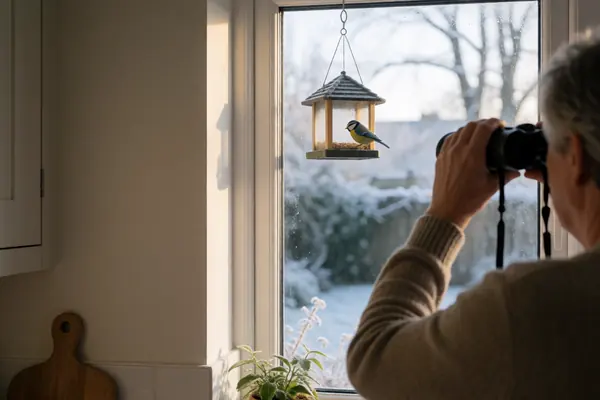
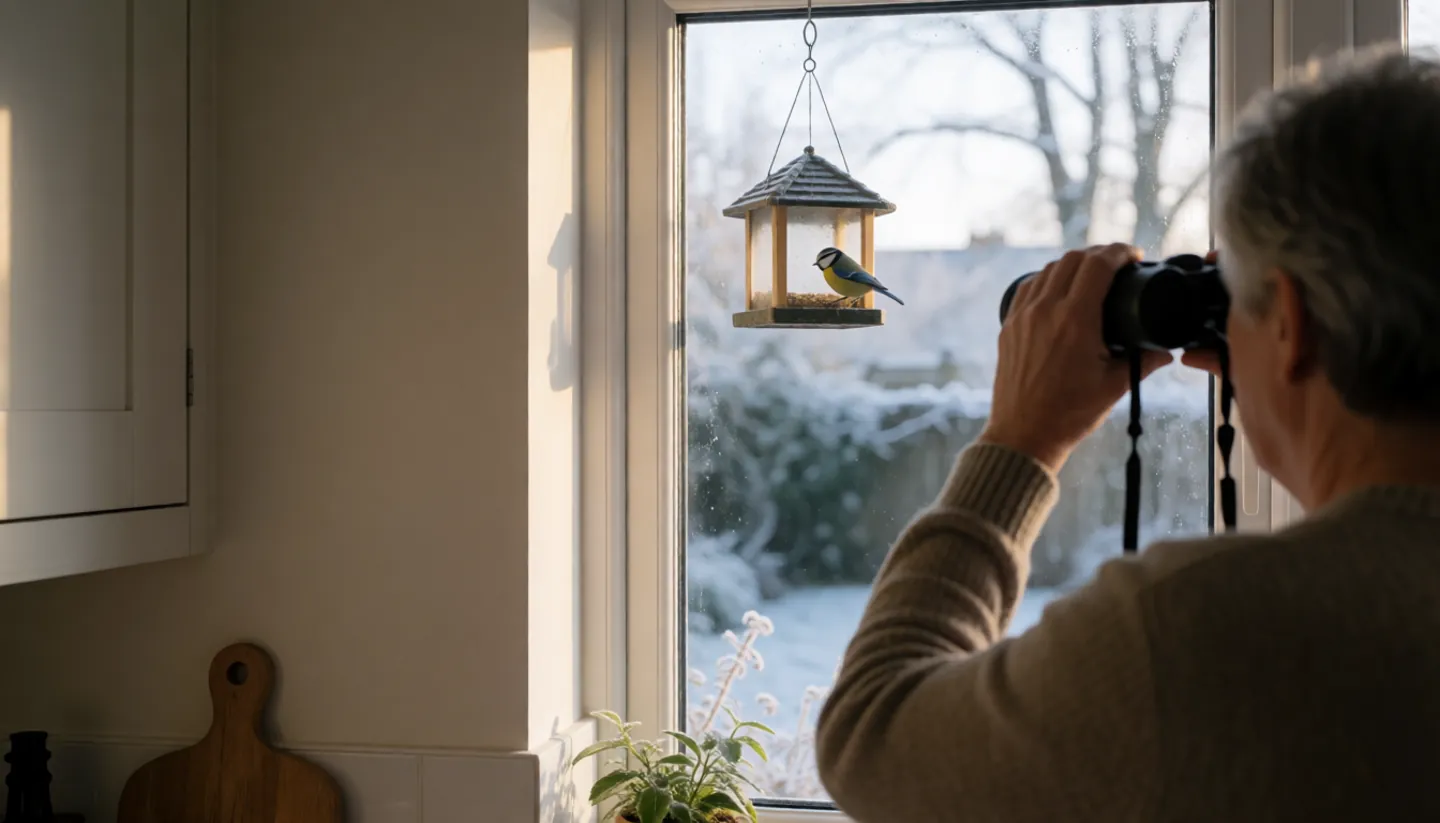
In 2026, 650,279 people took part in the RSPB Big Garden Birdwatch, counting 9,473,932 birds. The RSPB calls it the world's largest garden wildlife survey.
See what it showed doodlewiki
CITIZEN SCIENCE IN THE UK
Some questions need more observers than any lab has.
650,279 garden bird counters in 2026
650,279 People in one garden bird survey
Tracking garden birds or butterflies across a whole country takes thousands of people looking in the same way, year after year. Volunteer counts now underpin long-running UK wildlife trends.
THE SHORT ANSWER
Citizen science is the public helping with real research.
The value comes from many people using the same method.
GARDEN BIRDS
In 2026, 650,279 people took part in the RSPB Big Garden Birdwatch, counting 9,473,932 birds. The RSPB calls it the world's largest garden wildlife survey.
See what it showedBUTTERFLIES
The UK Butterfly Monitoring Scheme says over 2,000 transects were set up and walked in its first 30 years, with well over a thousand recorded each year now.
Compare commitmentsTHE METHOD
Schemes use standard methods and check the records. The UKBMS applies rigorous validation and verification so volunteer data can show reliable trends.
Make it countA QUICK TIME CHECK
Pick a kind of project to see what it involves. The bar shows the time commitment.
Examples from the RSPB, the Natural History Museum and the UK Butterfly Monitoring Scheme.
THREE WAYS TO MAKE YOUR RECORDS USEFUL
The schemes' own guidance shows why method and persistence matter as much as numbers.

The Natural History Museum says anyone can take part and no special skills are needed: projects explain what to do.
Standard methods, such as counting only in suitable weather, let records from different people and places be compared and checked.
Trends need time. UKBMS site-level trends appear once enough years of data exist, and the Birdwatch compares counts back to 1979.
TWO NUMBERS WORTH KNOWING
One figure for how many take part,
one for what decades of counts reveal.
650,279
People in one garden bird survey
Together they counted 9,473,932 birds. House sparrows were the most commonly seen bird for the 23rd year.
PARTICIPANTS · RSPB 2026
64%
Fall in average house sparrow counts since 1979
Average Birdwatch counts of greenfinches are down 67 percent and chaffinches 73 percent over the same period.
LONG-TERM TREND · RSPB
The RSPB says these data help show how garden birds are faring. It links a rise in blue tit, coal tit and great tit counts to a good 2025 breeding year reported by the British Trust for Ornithology.
WHY BUTTERFLIES
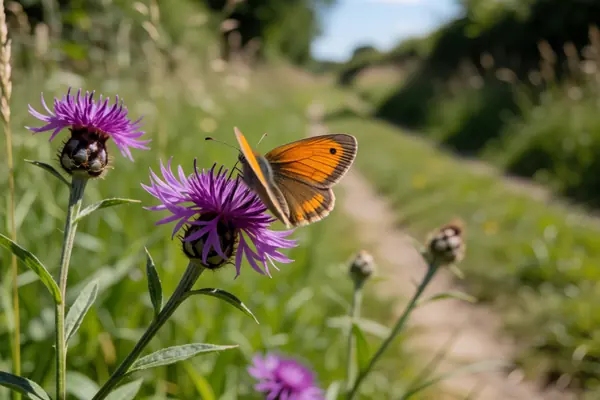
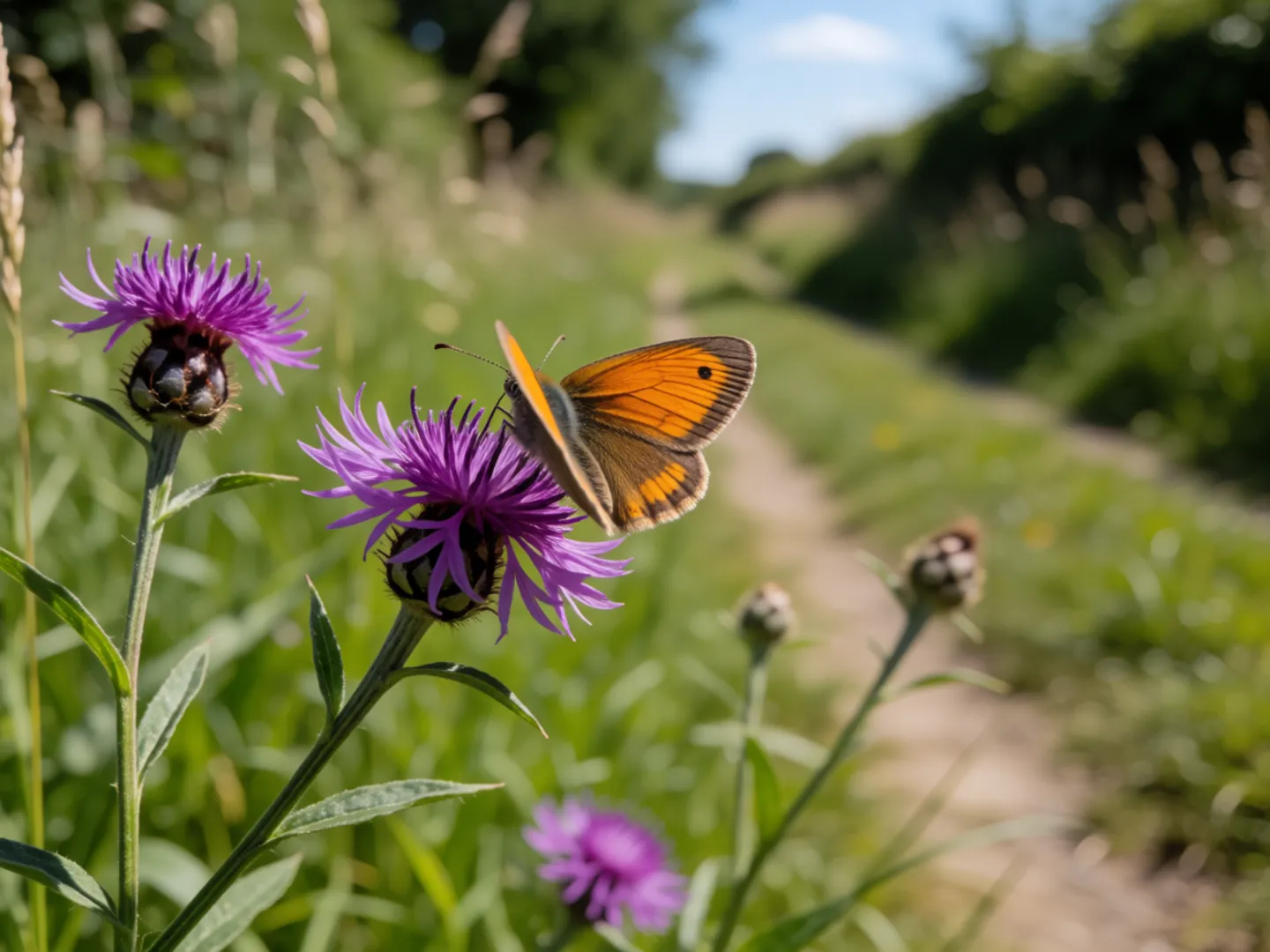
The UK Butterfly Monitoring Scheme says butterflies make good indicators of the state of the environment because of their rapid life cycles and, in many cases, high sensitivity to environmental conditions.
Its transect sites cover 71 species across the UK, with trends reported for 58 of the 59 regularly recorded species. The scheme is run by Butterfly Conservation, the UK Centre for Ecology and Hydrology, the British Trust for Ornithology and the Joint Nature Conservation Committee.
Questions
The Natural History Museum describes community or citizen science as a collaborative approach where the public actively contributes to scientific research, from local projects to large surveys tracking environmental trends.
Not usually. The Natural History Museum says anyone can take part without special skills or training, because projects explain everything you need to know.
The RSPB says 650,279 people took part in 2026 and counted 9,473,932 birds.
Schemes build in checks. The UK Butterfly Monitoring Scheme follows standard methods and applies rigorous validation and verification procedures to its transect data.
House sparrows are still the most commonly seen garden bird, but the RSPB says their average count is down 64 percent since the first Birdwatch in 1979.
Updated
ABOUT THIS NAME
doodlewiki.org is part of the DoodleSale portfolio. It isn't in an auction right now, but you can ask about leasing it.